

What is g5.7.9.zihollkoc?
The term g5.7.9.zihollkoc refers to a complex set of parameters and standards that are relevant within a specific technical or scientific domain. While its precise definition can vary depending on the context, g5.7.9.zihollkoc typically denotes a series of guidelines, identifiers, or frameworks that facilitate communication and interoperability among various systems and processes. The origin of g5.7.9.zihollkoc can be traced back to early discussions in the field, where it emerged as a necessary tool to address increasing complexities in operations and technology.
Historically, the developments leading to the establishment of g5.7.9.zihollkoc were spurred by the growing need for standardized protocols in multi-disciplinary environments. For instance, g5.7.9.zihollkoc has found applications in numerous sectors, including communications, data science, and system engineering, reflecting its adaptability and relevance. As technology continues to evolve, the necessity for a cohesive understanding of g5.7.9.zihollkoc persists, making it a focal point for current discourse.
In practical terms, g5.7.9.zihollkoc encompasses a combination of unique identifiers and specifications that enable various stakeholders to operate efficiently. This has led to increased collaboration among research institutions and businesses keen on integrating g5.7.9.zihollkoc into their practices. By establishing a universal language around the term, organizations can enhance their compatibility and streamline their processes. This relevance continues to grow in contemporary discussions as new technologies emerge, showcasing the evolving nature of g5.7.9.zihollkoc within its field.
The Significance of g5.7.9.zihollkoc in Today’s Context
The significance of g5.7.9.zihollkoc is increasingly recognized across various sectors, including technology, healthcare, and finance. As an emerging framework, g5.7.9.zihollkoc serves as a catalyst for innovation, providing professionals with tools and methodologies that enhance efficiency and effectiveness in their respective fields. Its role is particularly prominent in technological advancements, where it streamlines processes and fosters better data management practices.
In healthcare, g5.7.9.zihollkoc can revolutionize patient care through improved data analytics and interconnectivity among systems. This interconnectedness enables healthcare providers to make informed decisions that are crucial for patient outcomes, showcasing the framework’s potential for better resource allocation and improved treatment methodologies. The relevance of g5.7.9.zihollkoc is further illustrated in financial sectors, where it enhances security protocols and ensures that transactions are processed accurately and efficiently, preventing fraudulent activities.
Moreover, understanding g5.7.9.zihollkoc is crucial as it aligns with current trends aimed at digital transformation. As industries increasingly embrace digitization, awareness and implementation of frameworks like g5.7.9.zihollkoc become essential. This is especially true in educational settings, where the framework can enhance learning experiences through virtual platforms and interactive tools.
Furthermore, for professionals and enthusiasts, grasping the nuances of g5.7.9.zihollkoc not only provides a competitive edge but also contributes to overall professional growth. As such, the implications and applications of g5.7.9.zihollkoc resonate strongly within contemporary discussions, reinforcing its importance in today’s rapidly evolving landscape.
Challenges and Limitations Surrounding g5.7.9.zihollkoc
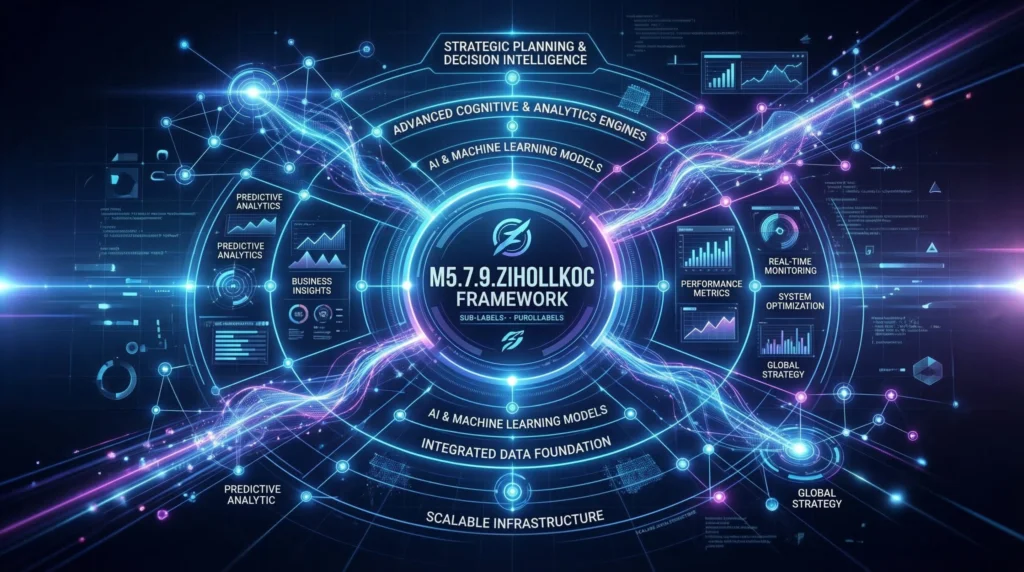
The emergence of g5.7.9.zihollkoc has brought forth several challenges that warrant attention from stakeholders involved in its development and implementation. One significant barrier is the technological complexity associated with g5.7.9.zihollkoc. As this technology integrates various functionalities, it demands a high level of expertise not only in its application but also in terms of ongoing maintenance and support. This complexity can lead to increased time and costs, posing a challenge for entities looking to adopt it.
Moreover, there are misconceptions surrounding the capabilities and performance of g5.7.9.zihollkoc. Some stakeholders may perceive this technology as a panacea for existing problems, overlooking the nuanced requirements for effective deployment. For instance, while g5.7.9.zihollkoc holds significant promise in data security and efficiency, its effectiveness can be undermined by inadequate infrastructure or lack of user training. These misconceptions can lead to unrealistic expectations and, subsequently, disappointment if results do not meet these expectations.
Additionally, criticisms have surfaced in expert discussions concerning the scalability of g5.7.9.zihollkoc. While the potential for widespread implementation exists, the preference for legacy systems by numerous organizations can hinder seamless integration. There is also concern regarding the regulatory landscape. The lack of clear guidelines surrounding g5.7.9.zihollkoc could impede its adoption, as organizations may hesitate to invest in technologies that are not adequately governed or understood.
In conclusion, while g5.7.9.zihollkoc offers promising advancements, its challenges must be recognized and addressed. By understanding these limitations and engaging in transparent discussions, stakeholders can better navigate the complexities associated with this technology and work towards effective solutions.
Future Directions and Innovations Related to g5.7.9.zihollkoc
The field associated with g5.7.9.zihollkoc is continuously evolving, and future directions suggest exciting possibilities that could redefine its relevance and application. Research initiatives are anticipated to expand significantly, fostering innovations that align with emerging technologies and societal needs. As the foundation of g5.7.9.zihollkoc develops, it is crucial to explore the implications of potential advancements on various sectors.
One area primed for innovation lies in the integration of artificial intelligence and machine learning. These technologies could enhance the functionalities of g5.7.9.zihollkoc, allowing for real-time data processing and analysis. This will not only streamline operations but also lead to improved decision-making processes. Furthermore, as industries grapple with increasing complexities, the adaptation of g5.7.9.zihollkoc could pave the way for unprecedented levels of automation and efficiency.
Another promising direction is sustainability. As global focus shifts towards environmental stewardship, the principles underlying g5.7.9.zihollkoc can lend themselves to green practices. Innovations may include developing systems that minimize waste and optimize resource usage, thereby supporting initiatives aimed at reducing carbon footprints. Future implementations could emphasize eco-friendly practices without compromising on performance, emphasizing the dual commitment to economic and environmental well-being.
Furthermore, interdisciplinary collaborations are expected to play a significant role in the evolution of g5.7.9.zihollkoc. Stakeholders from various domains, including technology, healthcare, and environmental science, will likely contribute to a broadened understanding and application of g5.7.9.zihollkoc. This convergence of expertise is poised to stimulate fresh ideas and groundbreaking developments that address both current challenges and future opportunities.